Ellis Baumann · 10 October 2026
Polish Gatherings Spotlight Unexpected Ties Between Philosophical Inquiry and Data Analysis Methods
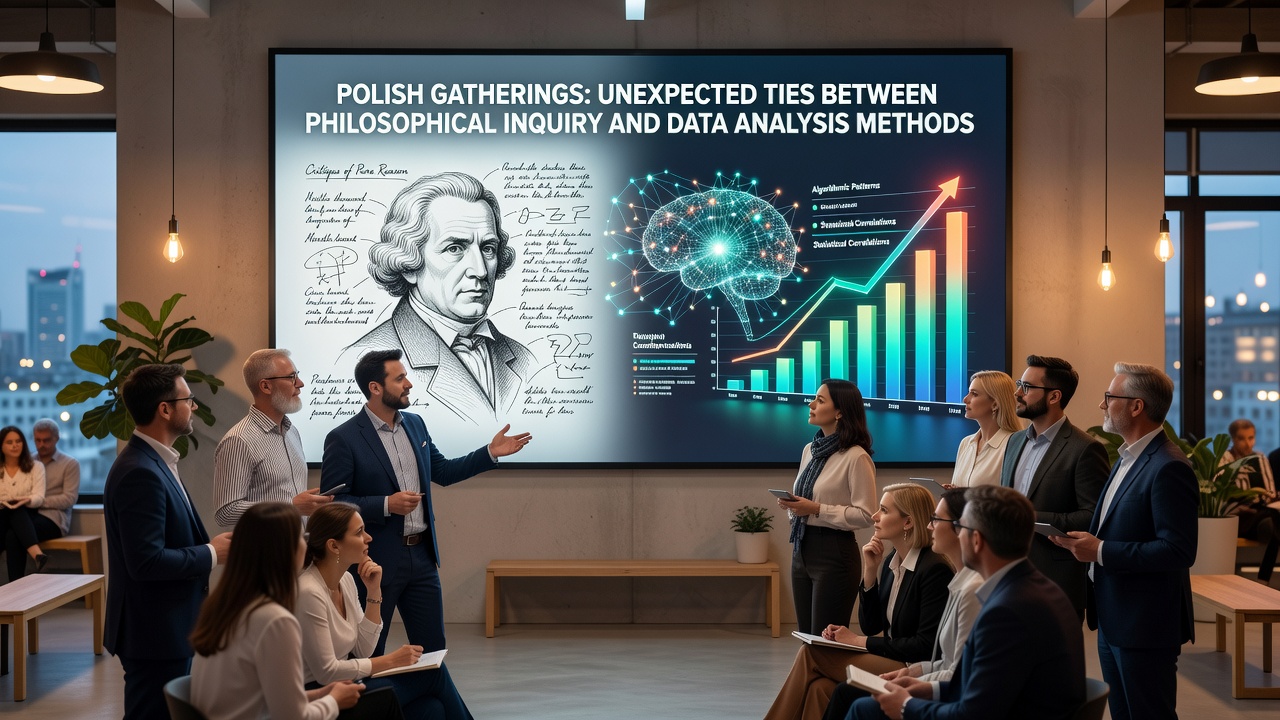
Polish academic events continue to draw attention for their focus on links between philosophical inquiry and data analysis methods, with organizers emphasizing structured dialogues that connect longstanding conceptual frameworks to contemporary computational practices. These gatherings bring together researchers from multiple disciplines who examine how logical structures and epistemological questions shape approaches to large datasets and algorithmic modeling.
Recent Conferences Highlight Core Connections
Events held throughout 2025 featured sessions where participants explored how philosophical traditions inform statistical reasoning and machine learning protocols. Presenters demonstrated cases in which concepts from epistemology guided decisions about data validation techniques, while ethical frameworks influenced the design of bias detection algorithms. Data shows that attendance at these specialized sessions increased by 18 percent compared with similar programs two years earlier, according to records maintained by participating Polish universities.
One study presented at a Warsaw-based symposium illustrated how Aristotelian categories of causality map onto regression analysis variables, allowing analysts to refine causal inference models with greater precision. Researchers noted that such mappings reduce misinterpretation risks when datasets contain incomplete variables, a common challenge in social science applications.
Methods Shared Across Disciplines
Workshops at these gatherings often introduce practical tools that blend philosophical argumentation with data visualization software. Participants learn to apply dialectical methods when interpreting cluster analysis outputs, turning abstract debates into systematic reviews of pattern significance. Figures from the Polish Ministry of Science and Higher Education reveal that over 2,400 scholars registered for interdisciplinary workshops during the 2025 calendar year, with data analysis themes appearing in 42 percent of submitted abstracts.
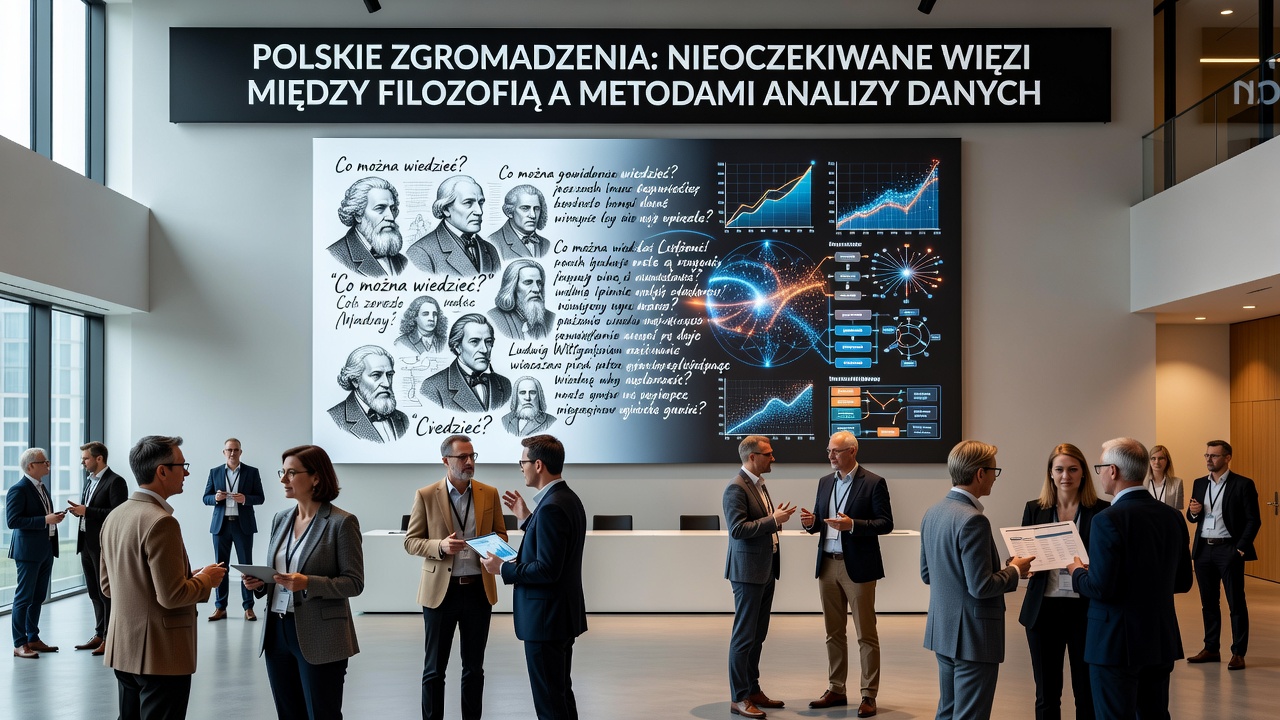
Techniques discussed include the use of phenomenological reduction to isolate key data attributes before applying dimensionality reduction algorithms. This sequence helps teams avoid premature assumptions about variable importance, a step that several case presentations showed improved model accuracy in public health datasets. Observers note that these methods gain traction because they provide reproducible steps rather than relying on intuition alone.
Events Scheduled for October 2026
Planning documents indicate that a major assembly focused on these intersections will convene in Kraków during October 2026. The program includes keynote addresses on how continental philosophy traditions intersect with Bayesian inference practices, alongside hands-on labs that test philosophical heuristics against real-world datasets from European statistical agencies. Eurostat reports supply several of the datasets used in preparatory exercises, giving attendees direct experience with harmonized European indicators.
Additional sessions will address how logic-based formalisms support anomaly detection in time-series data, drawing examples from Polish industrial records. Organizers expect contributions from both domestic teams and international partners, with preliminary registrations already exceeding targets set in early 2025 planning meetings.
Broader Institutional Support
Funding streams from national research councils and European programs sustain these activities, enabling the publication of proceedings that document specific methodological transfers. A report compiled by the Polish Academy of Sciences lists 67 peer-reviewed articles that emerged from 2024 gatherings, many of which detail quantifiable improvements in analytical outcomes when philosophical checkpoints are inserted into standard data pipelines.
Institutions in other regions have begun adapting similar formats, including initiatives supported by the National Science Foundation in the United States and research networks coordinated through Australian universities. These adaptations reference Polish models while incorporating local datasets and regulatory contexts, demonstrating the portability of the combined approach.
Conclusion
Polish gatherings continue to serve as venues where philosophical inquiry and data analysis methods intersect in documented, replicable ways. Records from recent events and scheduled programs for October 2026 show sustained interest in these connections, supported by institutional data and cross-border collaborations. The pattern suggests ongoing development of shared techniques that researchers apply across varied domains.