Olivia Krause · 7 November 2026
Global Networks Strengthen Climate and Life Sciences Work in Poland's Regional Labs
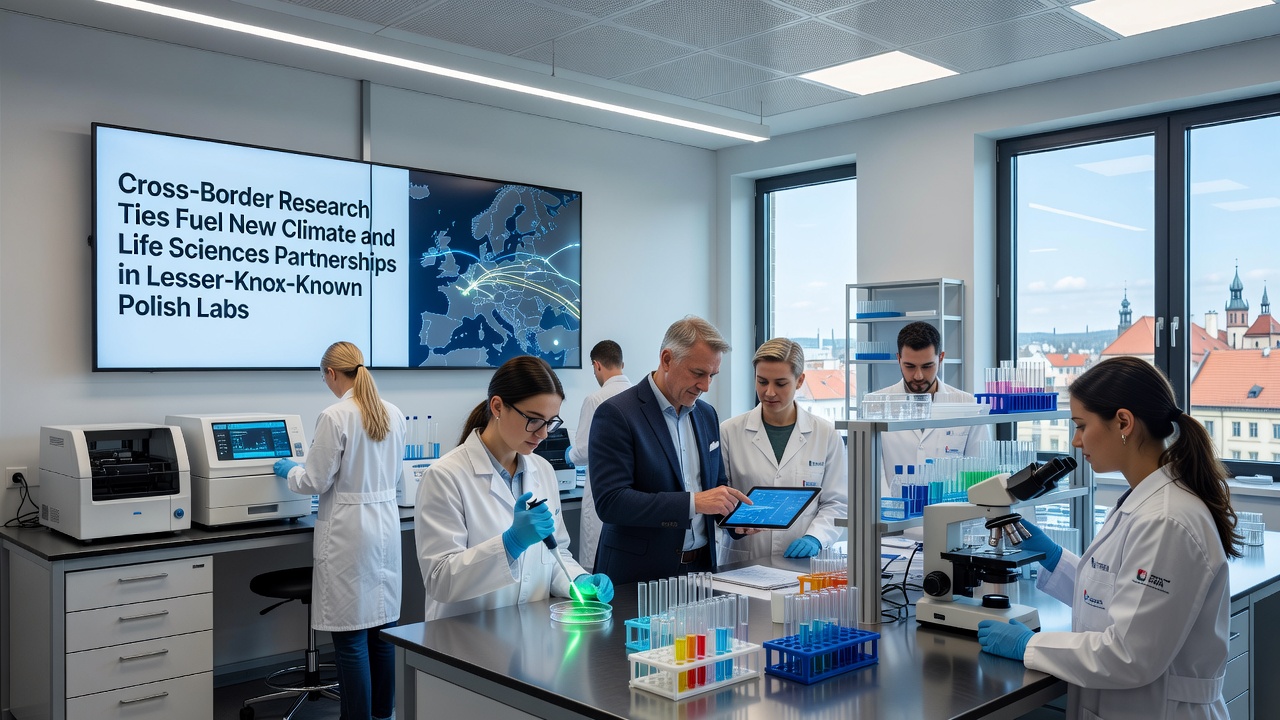
Cross-border research connections have expanded partnerships between international institutions and lesser-known laboratories across Poland, focusing on climate systems and life sciences applications in cities such as Lublin, Bydgoszcz, and Rzeszów. These facilities now participate in joint programs that exchange data, equipment, and personnel with groups from Europe, North America, and Asia. According to records from the European Commission Horizon Europe portal, Polish regional teams secured over 180 collaborative grants in these fields between 2023 and 2025.
Teams in these labs combine local field observations with global modeling tools to study regional climate impacts on biodiversity and agricultural systems. One project links soil microbiome analysis in eastern Poland with atmospheric data collected by Canadian research stations. Another initiative pairs Polish plant genetics groups with Australian partners to test drought-resistant crop strains under projected temperature scenarios for 2030 onward.
Partnership Structures and Funding Flows
Funding arrives through multiple channels that connect Polish institutions with foreign counterparts. The European Union's framework programs supply core support, while bilateral agreements add targeted resources from agencies such as the National Science Foundation in the United States. Researchers note that these arrangements allow smaller labs to access high-throughput sequencing equipment and satellite imagery archives that would otherwise remain out of reach. Data from these shared platforms now feed into publications appearing in journals focused on environmental microbiology and climate adaptation strategies.
Observers point to regular staff exchanges that run for periods of three to twelve months. Scientists from Poland travel to partner sites to learn advanced sensor calibration methods, while visiting researchers bring expertise in computational biology and ecosystem modeling. These rotations have produced co-authored papers that examine how shifting precipitation patterns affect microbial communities in temperate forest soils.
November 2026 Summit Highlights Regional Contributions
Preparations are underway for an international gathering scheduled in November 2026 that will showcase results from these regional collaborations. The event, hosted in a mid-sized Polish city, will feature presentations on joint findings related to carbon sequestration techniques and pathogen surveillance in changing environments. Organizers expect participation from teams representing more than twenty countries, with sessions dedicated to translating laboratory outputs into policy recommendations for agricultural resilience.
Records indicate that similar meetings held in prior years led to follow-on grants and expanded data-sharing agreements. Participants in the upcoming summit will review progress on projects that track pollinator population shifts and develop early-warning systems for invasive species under warming conditions.
Equipment Sharing and Data Integration Practices
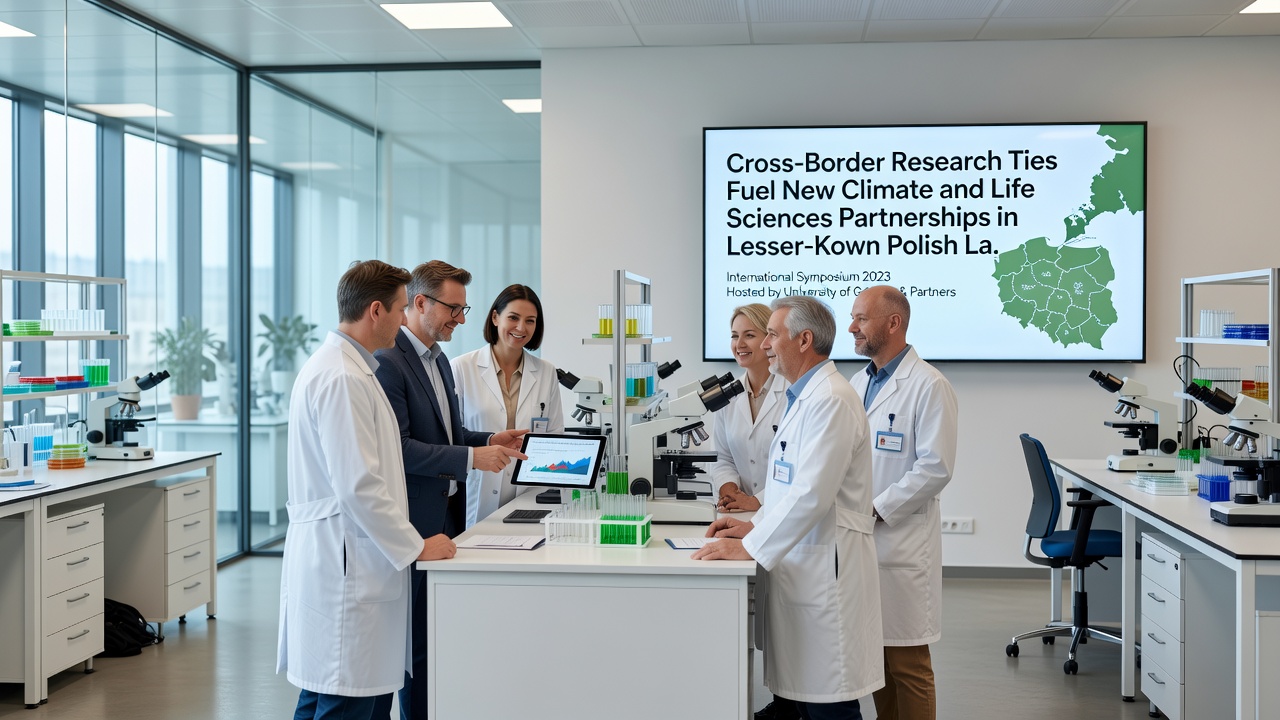
Lesser-known laboratories have gained access to specialized instruments through consortium arrangements that rotate high-value tools among partner sites. Cryo-electron microscopes and portable gas analyzers now move between facilities in Poland and collaborating centers in Germany and Japan on scheduled cycles. This rotation reduces duplication of capital costs while maintaining continuous experimental capacity.
Data integration occurs through secure cloud platforms that standardize formats across different measurement protocols. Polish teams contribute long-term field records from local ecosystems, which complement remote-sensing datasets supplied by international partners. Analysts have used these combined records to refine models predicting how extreme weather events influence disease vectors in agricultural zones.
Training Programs and Skill Development
Training modules developed under these partnerships emphasize cross-disciplinary methods that blend climate science with molecular biology techniques. Workshops held at Polish sites introduce participants to machine-learning approaches for analyzing large environmental datasets, while reciprocal sessions abroad cover advanced field sampling protocols. Graduates of these programs have moved into roles that maintain ongoing data pipelines between partner institutions.
University-affiliated labs in smaller Polish cities report increased enrollment in specialized courses that prepare students for roles in these collaborative networks. Curriculum updates incorporate case studies drawn directly from ongoing joint projects, giving learners exposure to real datasets and analytical challenges faced by active research teams.
Conclusion
Cross-border ties continue to expand the scope of work conducted in Poland's regional research facilities, linking local observations with international datasets and expertise. These arrangements have produced measurable outputs in the form of shared publications, equipment access, and trained personnel. As preparations advance for the November 2026 summit, participating labs maintain focus on generating findings that address climate and life sciences questions with direct regional relevance. Continued funding streams and data-exchange protocols support the ongoing development of these networks.