Ellis Baumann · 12 September 2026
Alumni Career Data in Poland Highlights Benefits of Blended Study Options
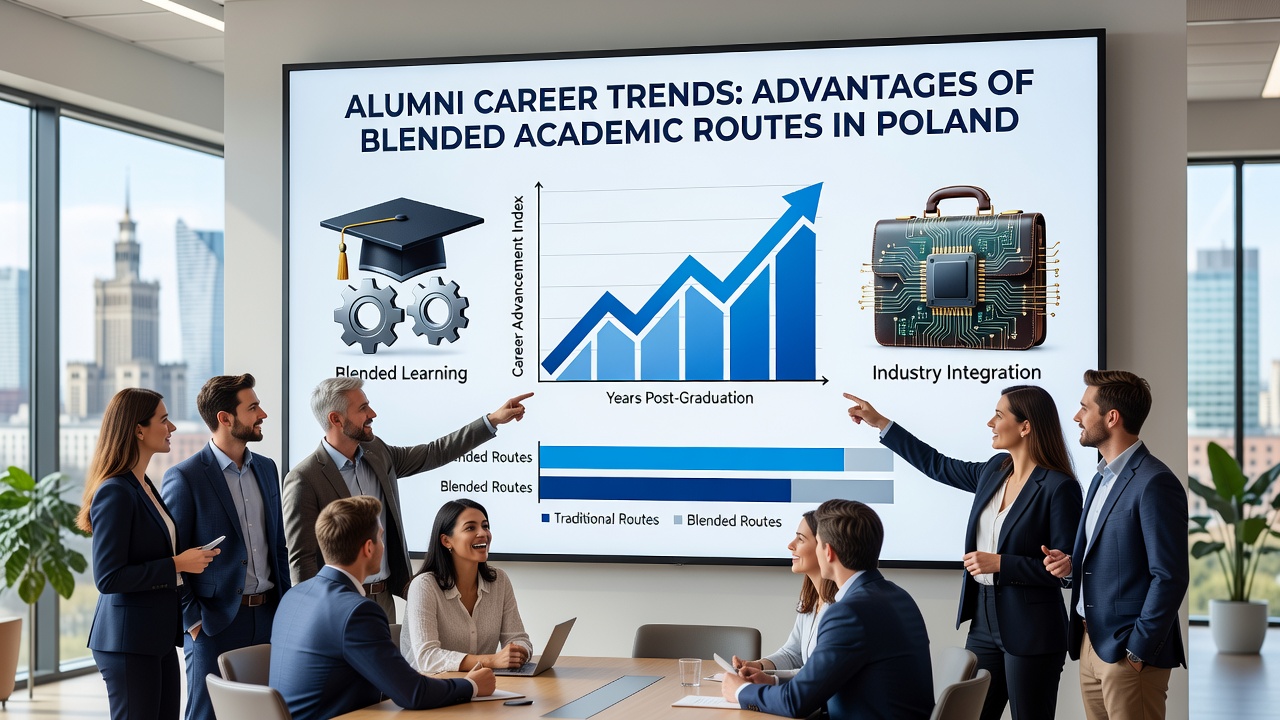
Recent surveys of Polish university alumni reveal clear patterns in career progression tied to blended academic routes that combine traditional coursework with practical components such as internships or online modules, and these findings come from multiple institutions across the country. Data collected over the past five years shows graduates who followed such routes often secure positions faster than those in single-track programs, while salary outcomes and job satisfaction metrics also trend higher according to aggregated reports from regional labor offices.
Key Trends from Recent Alumni Tracking
Tracking efforts by Polish higher education authorities indicate that blended routes gained traction after 2020 policy adjustments that encouraged flexibility in degree structures, and enrollment in these pathways rose steadily through 2025. Alumni from these programs report employment rates above 85 percent within six months of graduation in fields like engineering, business administration, and information technology, whereas comparable single-discipline cohorts sit closer to 75 percent in the same datasets. Researchers note that the integration of academic study with workplace exposure appears to reduce the typical transition period from student to professional.
One analysis of 2024 graduate cohorts found that participants in blended programs completed an average of two industry placements during their studies, and this experience correlated with earlier promotions in the first three years post-graduation. Employment sectors absorbing these alumni include manufacturing hubs in Silesia and tech clusters around Kraków, where employers cite the combination of theoretical knowledge and applied skills as a deciding factor in hiring decisions.
Regional Variations and Program Structures
Differences emerge when comparing outcomes across Poland's major academic centers, with Warsaw and Poznań showing particularly strong results in interdisciplinary blends that merge engineering with management training. Graduates from these areas often enter roles that require both technical expertise and project coordination abilities, and follow-up surveys conducted in early 2026 captured sustained career advancement even amid broader economic shifts. In contrast, programs in smaller cities demonstrate solid placement in local industries but with slightly longer timelines to reach mid-level positions.
September 2026 brings the next round of nationwide alumni data releases from the Ministry of Science and Higher Education, and preliminary indicators suggest continued momentum for blended formats as universities refine partnerships with private sector entities. These updates will likely include breakdowns by region and discipline, allowing observers to track whether the advantages hold across economic cycles.
Comparative Insights from Broader European Data
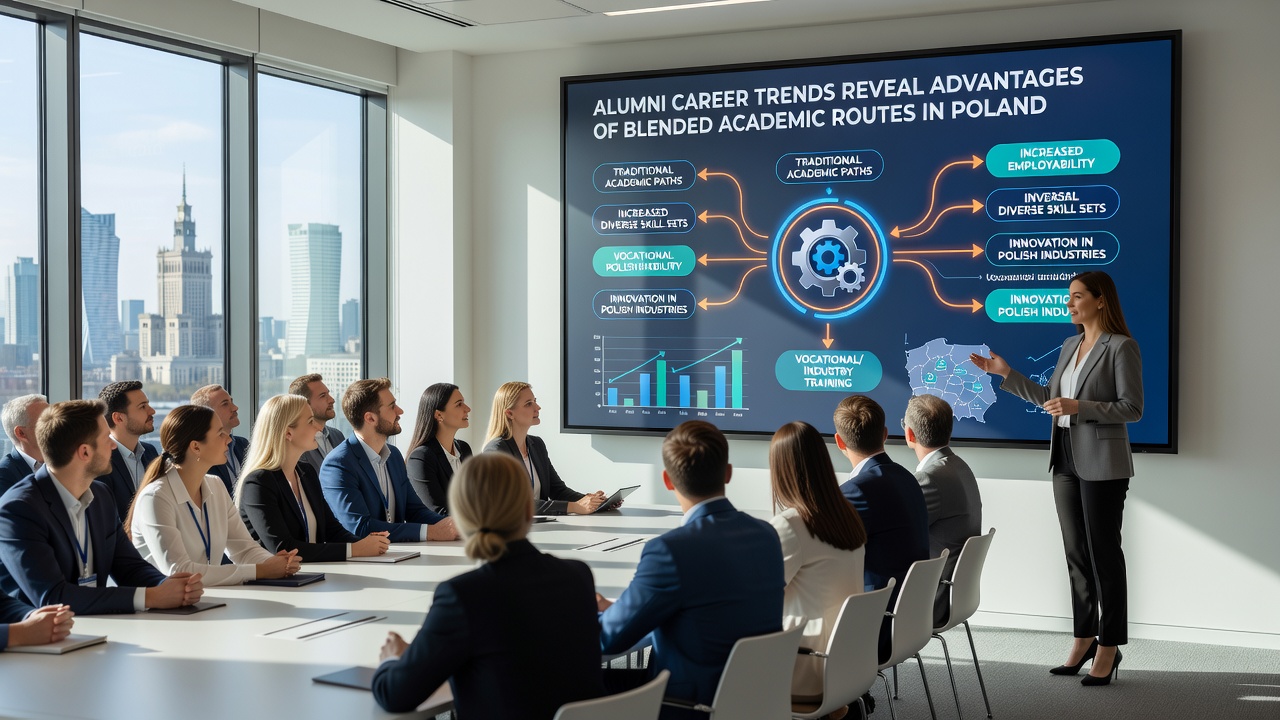
Polish patterns align with findings from other EU member states that expanded flexible degree options in recent years, though local factors such as strong vocational traditions amplify the observed effects here. European Commission education reports document similar employment uplifts in countries that integrated practical modules into university curricula, and cross-border mobility programs have allowed some Polish students to test blended approaches abroad before returning home. Observers note that alumni who participate in such exchanges frequently cite expanded professional networks as an additional career asset.
Industry feedback collected by chambers of commerce in Poland reinforces these trends, with employers stating preferences for candidates who demonstrate both academic credentials and hands-on project experience. This preference shows up in recruitment data where blended-route graduates receive interview invitations at higher rates, particularly in export-oriented sectors that value adaptability.
Challenges and Ongoing Adjustments
Despite the positive indicators, certain hurdles remain for students pursuing blended routes, including coordination between academic calendars and placement schedules that can extend overall study time by one semester in some cases. Universities have responded by introducing modular scheduling options that allow participants to maintain steady progress, and feedback loops from alumni have prompted refinements in how credits transfer between theoretical and applied components.
Longitudinal studies now underway at several institutions aim to measure outcomes beyond the five-year mark, examining factors such as entrepreneurship rates and leadership roles attained by blended-route alumni. Early returns suggest these graduates launch startups at rates roughly 15 percent above single-track peers, according to preliminary figures shared at academic conferences in 2025.
Conclusion
Alumni career trends in Poland continue to point toward measurable advantages for those completing blended academic routes, with employment speed, salary growth, and role diversity standing out in available datasets. As September 2026 approaches and fresh statistics become available, stakeholders across education and industry will gain further clarity on how these pathways evolve. The evidence accumulated so far supports continued investment in flexible program designs that bridge classroom learning with real-world application.